The Lord of the Rings Cinematic Photo Editing Prompt 2026
PROMPT
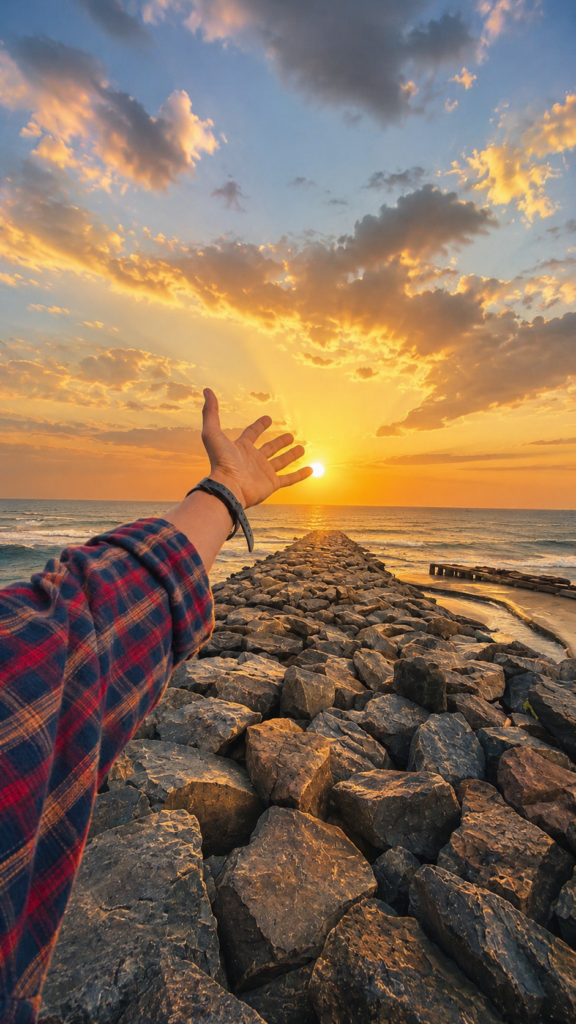
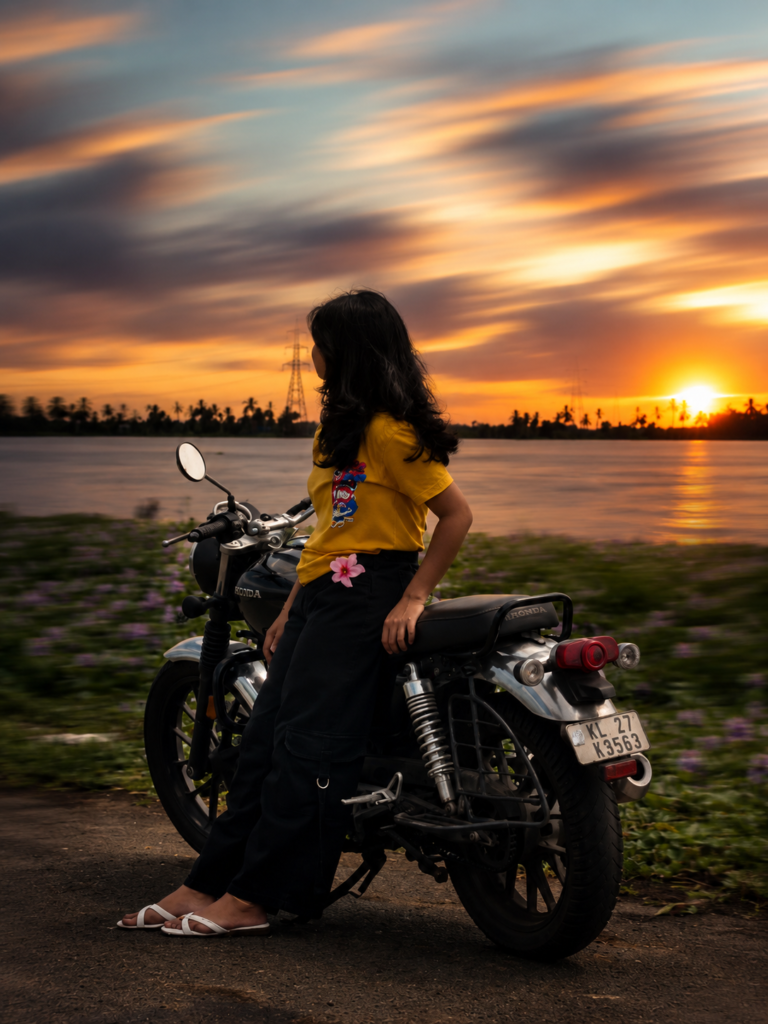
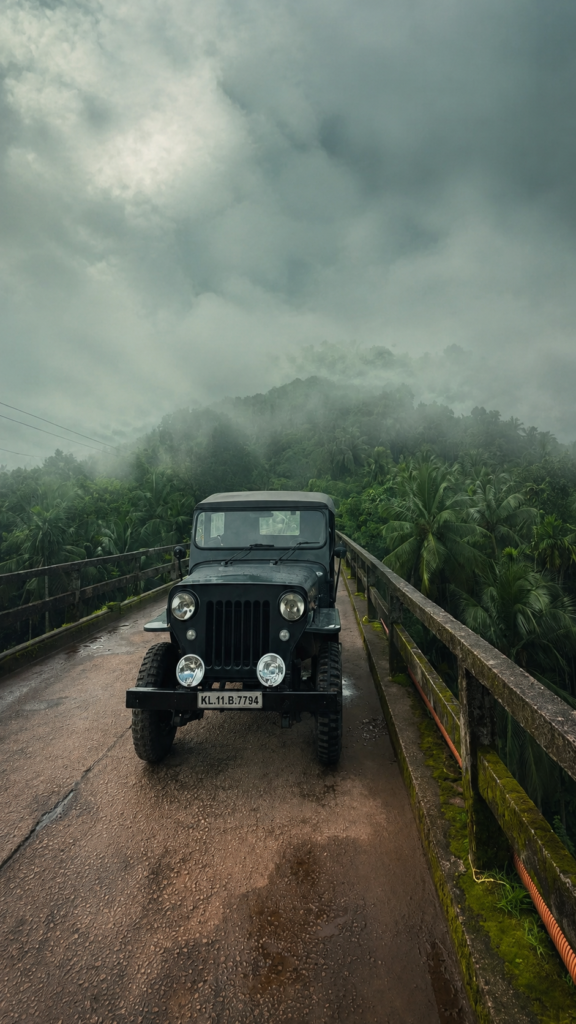
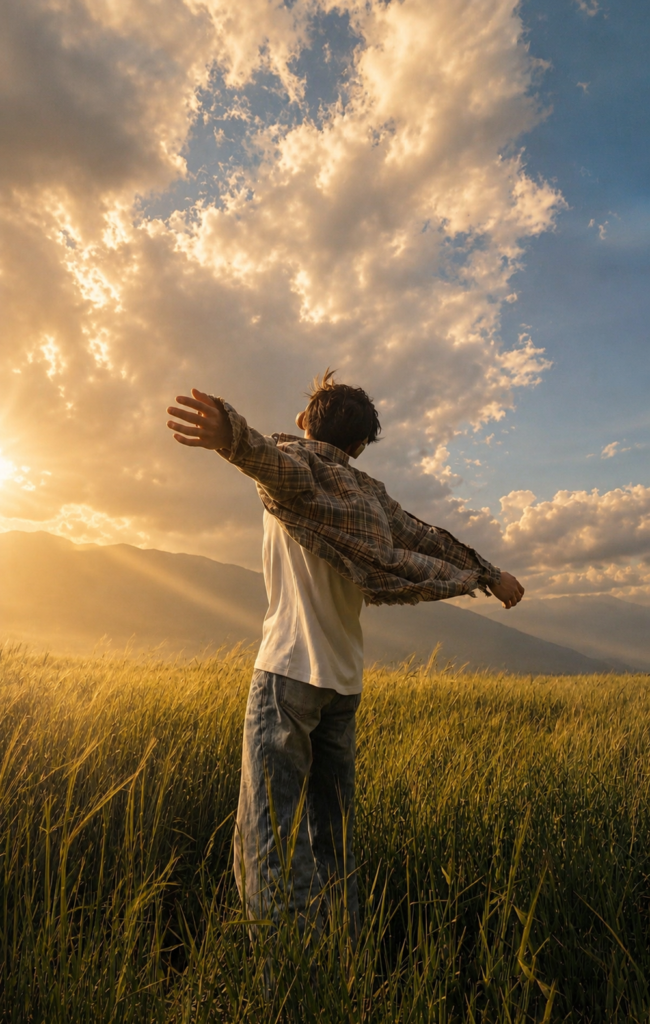
Edit this photo into a cinematic The Lord of the Rings style while preserving the original composition, subject, pose, clothing, facial features, expression, camera angle, perspective, framing, and every background element exactly. Transform the lighting into a soft sunrise from the upper left with natural god rays, subtle volumetric lighting, gentle morning mist, and a soft cinematic lens flare. Apply a rich, natural color grade with deep greens, warm golden-hour highlights, a clean blue sky, accurate skin tones, and soft neutral shadows without an orange or yellow cast. Enhance dynamic range, local contrast, texture, and detail to an iPhone 17 Pro Smart HDR look while keeping it fully photorealistic. Create an immersive fantasy atmosphere inspired by The Lord of the Rings that still looks like a genuine sunrise photograph, not AI-generated artwork
Description
Have you ever looked at a photo and imagined it as a breathtaking scene from an epic fantasy movie? That dream is now easier than ever with the Lord of the Rings cinematic photo editing prompt. Thanks to modern AI image editing, you can transform an ordinary picture into a magical sunrise masterpiece while keeping every important detail exactly the same. The result feels like a real photograph captured in an enchanted world rather than a digital artwork.
This editing style has become one of the biggest trends among Instagram creators, photographers, and AI artists in 2026. Instead of changing the person or replacing the background, the prompt focuses on enhancing the atmosphere. Soft golden sunlight, natural god rays, gentle morning mist, cinematic lighting, and rich colors work together to create a fantasy-inspired image that still looks completely realistic.
What is the Lord of the Rings Cinematic Photo Editing Prompt?
The Lord of the Rings cinematic photo editing prompt is a carefully written AI instruction designed to transform an existing photograph into a realistic fantasy-style masterpiece. Rather than changing the entire image, it enhances lighting, colors, shadows, atmosphere, and texture while preserving the original composition exactly as it appears.
This means the person in the photo stays in the same position. Their face, expression, hairstyle, clothes, accessories, and body proportions remain untouched. The camera angle, perspective, framing, and background also stay identical. Instead of creating a completely new picture, AI simply upgrades the mood of the original photograph.

Why This AI Prompt is Trending in 2026?
AI photo editing has grown rapidly over the past year, but users no longer want images that obviously look computer-generated. Instead, creators are searching for edits that feel authentic while still offering dramatic visual improvements. That shift is one of the biggest reasons why the Lord of the Rings cinematic editing prompt has become one of the most searched AI photo prompts in 2026.
Features of This Prompt
- Preserves the original composition without changing the pose or framing.
- Keeps facial features, expression, clothing, hairstyle, and accessories exactly the same.
- Adds soft sunrise lighting from the upper-left direction.
- Creates natural-looking god rays and gentle volumetric lighting.
- Includes subtle morning mist for extra depth.
- Produces realistic cinematic lens flare.
- Enhances dynamic range for brighter highlights and cleaner shadows.
- Improves local contrast and fine texture.
- Maintains accurate skin tones without oversaturation.
- Uses rich green landscapes with warm golden-hour highlights.
- Keeps the sky clean and naturally blue.
- Delivers an iPhone 17 Pro Smart HDR-inspired photographic appearance.
- Creates a fantasy atmosphere inspired by epic adventure films.
- Maintains complete photorealism instead of looking like AI artwork.
How to Use This Prompt in ChatGPT?
Using this The Lord of the Rings cinematic photo editing prompt is much easier than many beginners think. You don’t need professional editing skills or complicated software. If you have a clear photo and a detailed prompt, AI can do most of the creative work for you while preserving the original image.
Step 1: Choose a High-Quality Photo
Step 2: Open ChatGPT Image Editor
Step 3: Copy and Paste the Prompt
Step 4: Generate the Edited Image
Step 5: Download and Share
Best Settings for Better Results
While the prompt itself does most of the creative work, using the right settings can improve consistency and image quality. These recommendations help AI generate a realistic cinematic photograph instead of an overly stylized fantasy artwork.
| Setting | Recommended Value |
|---|---|
| Style | Cinematic Photorealistic Fantasy |
| Quality | High / Maximum Available |
| Lighting | Soft Sunrise from Upper Left |
| Camera Look | iPhone 17 Pro Smart HDR |
| Color Grade | Warm Golden Hour with Natural Greens |
| Dynamic Range | High |
| Detail Level | Maximum Texture Preservation |
| Shadows | Soft Neutral Shadows |
| Atmosphere | Gentle Morning Mist |
| Aspect Ratio | Original Photo Ratio |
Pro Tips for Viral Results
Creating a beautiful image is only part of the process. If you want your edited photos to stand out on Instagram or other social platforms, paying attention to small details can make a significant difference.
Choose photographs taken in natural daylight whenever possible. AI understands natural lighting much better than dark or heavily filtered images, making the cinematic sunrise effect appear more believable.
Travel locations often produce the strongest results because mountains, lakes, temples, forests, castles, and scenic landscapes naturally match the fantasy-inspired atmosphere described in the prompt.
Avoid applying filters before editing. Starting with the original image gives AI cleaner information, resulting in more realistic colors and better skin tones.
Common Mistakes to Avoid
Many beginners expect AI to fix every problem automatically. While modern image editing is incredibly powerful, avoiding a few common mistakes will produce much better results.
One of the biggest mistakes is uploading blurry or low-resolution photos. AI can improve details, but it cannot completely recreate information that doesn’t exist in the original image.